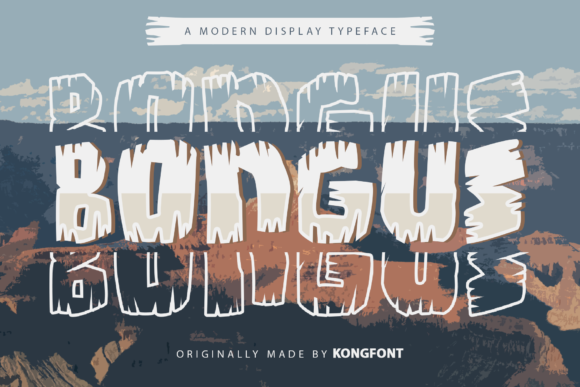
Bongus: A Playful Font for Creative Campaigns
It's 9 PM on a Thursday, and the team is finalizing the visuals for a seasonal sale launch. The main graphic needs to pop across social media, email campaigns, and digital ads. After testing several options, we land on Bongus—a modern and playful decorative font that feels just right for the campaign's tone.
What Is Bongus and How Does It Feel?
Bongus is a creative font that blends whimsy with clarity. Its rounded edges and soft curves give it a friendly, approachable vibe, making it ideal for campaigns targeting younger or more casual audiences. The font has a distinct personality—like a cheerful mascot that adds energy to any design without overwhelming it.
Its visual style is perfect for short headlines, callouts, and display text. Bongus isn't meant for long paragraphs or dense information, but when used strategically, it can elevate the visual appeal of promotional content, branding, and editorial layouts.
Using Bongus in Real Campaigns
For the seasonal sale, we used Bongus on the main headline of the social media post. The font stood out against a bold background, drawing attention while maintaining readability. On mobile screens, it held up well, especially when paired with a clean sans serif as a secondary font.
We also tested Bongus on YouTube thumbnails. The font worked well for titles like "Big Sale Alert!" and "Limited Time Offer," adding a sense of urgency and fun. It didn’t clash with the video’s visual elements and kept the thumbnail from feeling too static.
In Instagram posts, Bongus was used for quote graphics and captions. The font added a personal touch, making the content feel more engaging and less corporate. When paired with a subtle gradient or pattern, it helped create a cohesive aesthetic across the feed.
Best Use Cases for Bongus
Bongus shines in situations where a bit of personality is needed. It’s great for short headlines, logos, and campaign labels. For example, in a webinar banner, Bongus added a lively touch to the title, making it stand out in a crowded inbox or social feed.
The font also works well in branded template packs. Whether it's for a Pinterest campaign or an email promotion, Bongus can help establish a consistent visual identity without sacrificing creativity.
When designing a product teaser, we used Bongus for the tagline, which read "Something Big is Coming." The font gave the message a sense of excitement and anticipation, aligning perfectly with the campaign’s goal.
Readability and Design Considerations
While Bongus is visually appealing, it’s important to consider its limitations. On small previews, such as those on mobile devices or thumbnails, the font may lose some clarity if not properly sized. We found that using it at a minimum of 24px ensured it remained legible even on smaller screens.
On dark backgrounds, Bongus maintained good contrast, but we noticed that it could appear slightly less defined on light backgrounds. To counter this, we adjusted the font weight and added a subtle drop shadow when necessary.
For fast-scrolling feeds, Bongus worked best when used sparingly. Too much of it in a single image could make the design feel cluttered. We limited its use to key areas like headlines and call-to-action buttons, which helped maintain visual hierarchy and message clarity.
Font Pairing and Practical Tips
When working with Bongus, pairing it with a clean sans serif or serif font often creates a balanced look. For instance, using Bongus for the headline and a simple sans serif for the body text made the content easier to scan while keeping the design fresh and modern.
Before using Bongus in any campaign, it's important to check the available styles, ligatures, and file formats. The font is typically offered as a freebie, so ensuring it's compatible with tools like Photoshop and Silhouette Design Studio is essential for smooth integration into design workflows.
Also, checking multilingual support and commercial licensing is crucial, especially when using the font for client projects or branded content. Bongus is a great addition to any designer’s toolkit, but understanding its limitations helps avoid potential issues down the line.